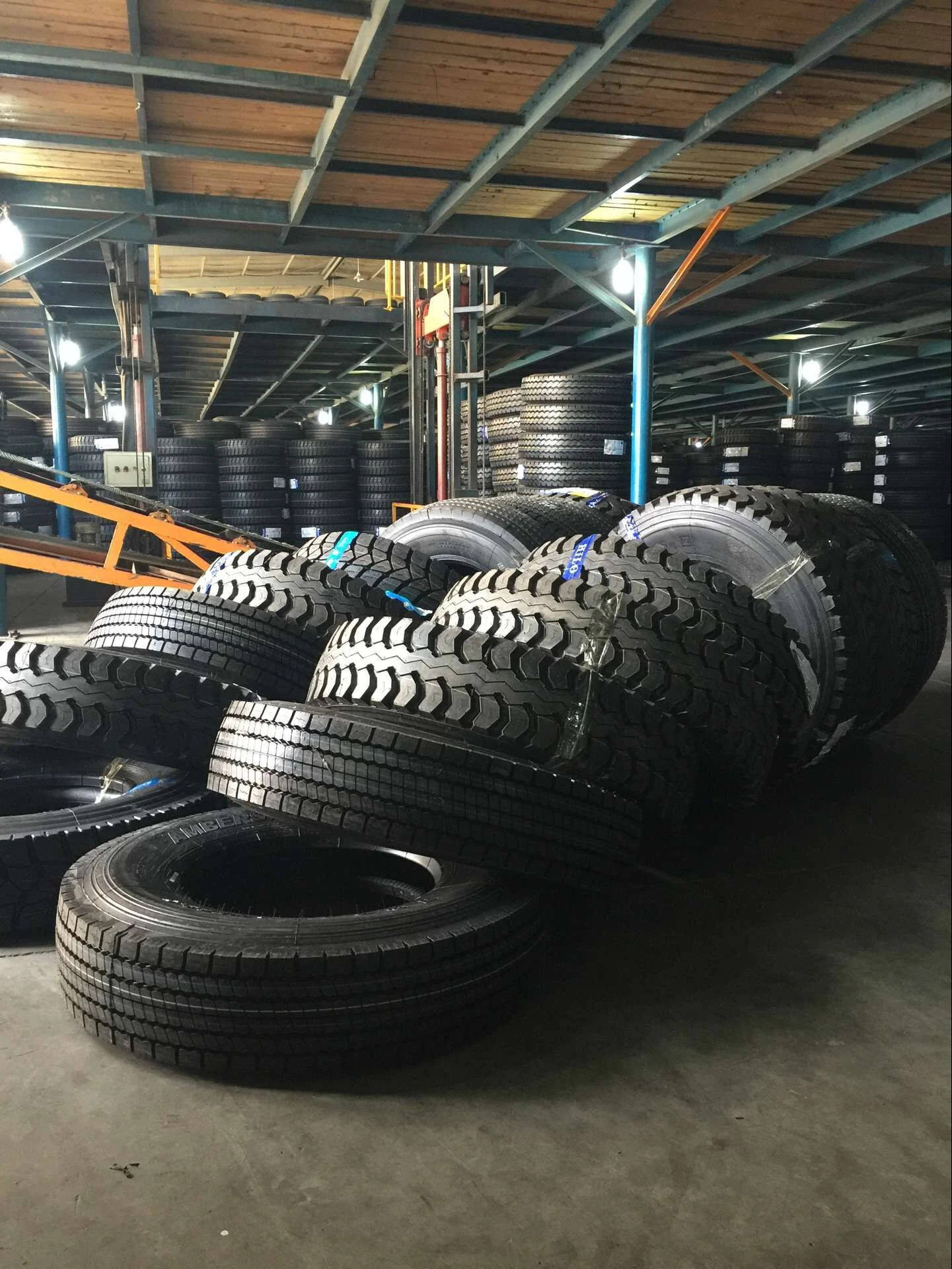
Quick Summary: Long-haul tires are highway-focused commercial vehicle tires engineered for high mileage, thermal stability and retreadable casings. Choose based on verified load ratings, casing ply construction, rolling-resistance test data and retread suitability. For bulk fleet procurement and commercial distribution, sourcing factory-direct container shipments from certified Chinese manufacturers provides 30–40% landed cost savings with full export compliance.
What makes a tire a "long-haul" tire?
Long-haul tires are a commercial vehicle tire category optimized for highway and intercity freight routes. They are designed for sustained high-mileage service, even wear, and heat management on freeways and long-distance lanes. Key attributes to confirm with suppliers are casing durability (metal or textile ply design), compound formulation for rolling resistance, tread design for stability and wear, and documented retreadability of the casing.
Technical selection criteria for fleet buyers
Casing construction and durability
Inspect manufacturer specifications for ply construction, bead design, and internal reinforcements. Casings intended for multiple retreads use stronger bead-to-bead construction and confirmed casing integrity test reports. Request supplier lab data on casing tear strength and ply separation resistance where available.
Tread compound and rolling resistance
Rolling resistance materially affects fuel consumption at fleet scale. Ask suppliers for standardized rolling-resistance test reports or lab measurements and for any trade program measurements (fleet-level fuel-saving case studies should be substantiated by test data). Comparative, third-party test reports are preferred.
Retreadability and casing life-cycle
For fleets that retread, prioritize tires whose casings are specified as retreadable with documented retread cycles and recommended procedures. Confirm whether the manufacturer supplies casing inspection criteria and recommended retreading systems.
Service and warranty commitments
Review warranty language for mileage warranties, workmanship coverage, and conditions that void coverage. For large fleets, negotiate performance warranties tied to measured tire life under defined duty cycles and document corrective processes for early failures.
Operational and application guidance
Match long-haul tires to axle position and duty cycle: steer tires prioritize directional stability and even shoulder wear; drive tires prioritize traction, torque transfer and wear resistance; trailer tires prioritize casing durability and low rolling resistance. Climate and route (continuous highway versus mixed urban/highway) will change compound and pattern priorities—consider compound blends and optionally a regional specification for cold climates if routes include winter conditions.
Inspection, testing and quality control for buyers
Implement an incoming quality inspection protocol that includes visual casing checks, dimension and marking verification (size, load index, speed rating, DOT/ECE markings where applicable), uniformity measurements if available, and batch/test report cross-checking. Request factory quality control certificates and lab test summaries for each production batch shipped against your purchase order.
Buyer evaluation comparison table
| Evaluation criterion | What to request from supplier | Buyer assessment guidance |
|---|---|---|
| Tread compound / rolling resistance | Standardized test report or comparative lab data | Prefer third‑party or factory-measured data with test method described; compare across quotes. |
| Casing construction | Detailed ply diagram, materials, and casing retreadability statement | Qualitative: stronger bead-to-bead construction and retread claims are favorable; request inspection criteria. |
| Load index / speed rating | Official marking on sidewall and specification sheet | Confirm exact load and speed rating per application; ask supplier to certify ratings for intended use. |
| Certifications & test reports | DOT marking for US sales, ECE test reports (if exported to EU), ISO/QC certificates and lab test summaries | Require document copies; if absent, schedule independent testing or reject supplier claim. |
| Warranty terms | Written warranty policy and any prorated mileage guarantees | Compare practical remedy timelines and whether replacements include freight and installation. |
| Pack and container loading | Packing list, loading diagram and container optimization plan | Ask for photos of packed containers and a sample packing list before final shipment. |
Sourcing long-haul tires from China: Quality Standards, MOQ & Container Logistics
For procurement from Chinese manufacturers, clearly specify required certification documents in your RFQ. Applicable documents commonly requested by US buyers include DOT compliance marking and test reports, ISO 9001 factory quality-management certificates, and independent lab test results for rolling resistance, tread wear and casing strength. Request copy‑scan certificates and batch test reports before release.
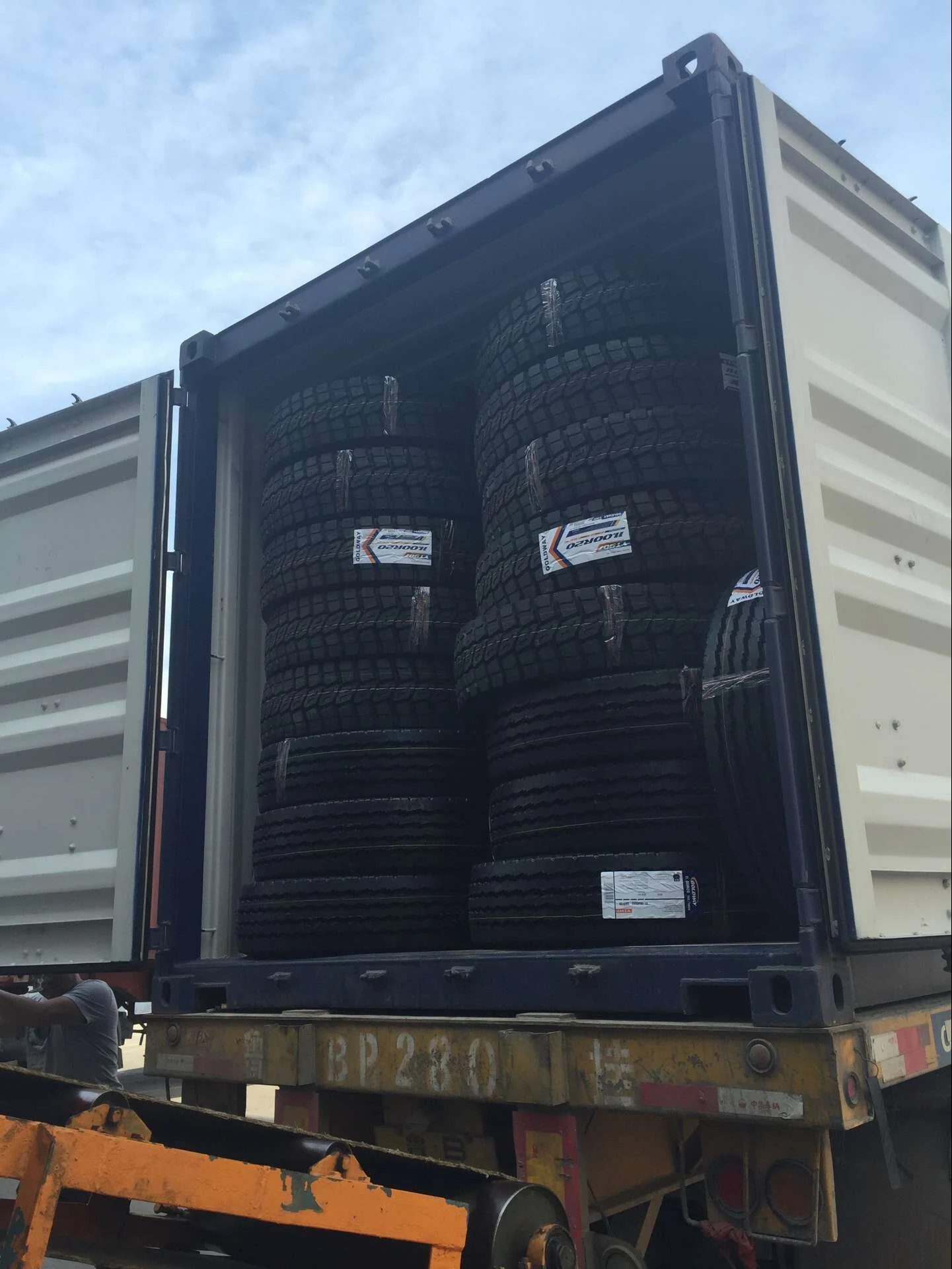
MOQ: Minimum order quantities vary strongly by supplier and tire size. Many manufacturers offer mixed-container options so fleets can combine multiple sizes or models in a single 20' or 40' container; ask for a packing diagram and confirm whether mixed loads affect unit pricing. For container-level pricing, request firm quotations for 20-foot and 40-foot load plans.
Export lead times: production lead times are supplier-specific; typical turnkey timelines for new production runs commonly range from a few weeks to a few months depending on order size, tooling and test requirements. Ocean transit times depend on route; allow additional transit time and customs clearance. Confirm planned port terms (example ports commonly used are Qingdao and Ningbo) and agree Incoterms (FOB, CIF, DDP) in the contract.
Documentation checklist to request:
- Production batch test reports and quality-inspection certificates
- DOT marking confirmation and relevant export test reports
- ISO 9001 or equivalent factory quality certificates
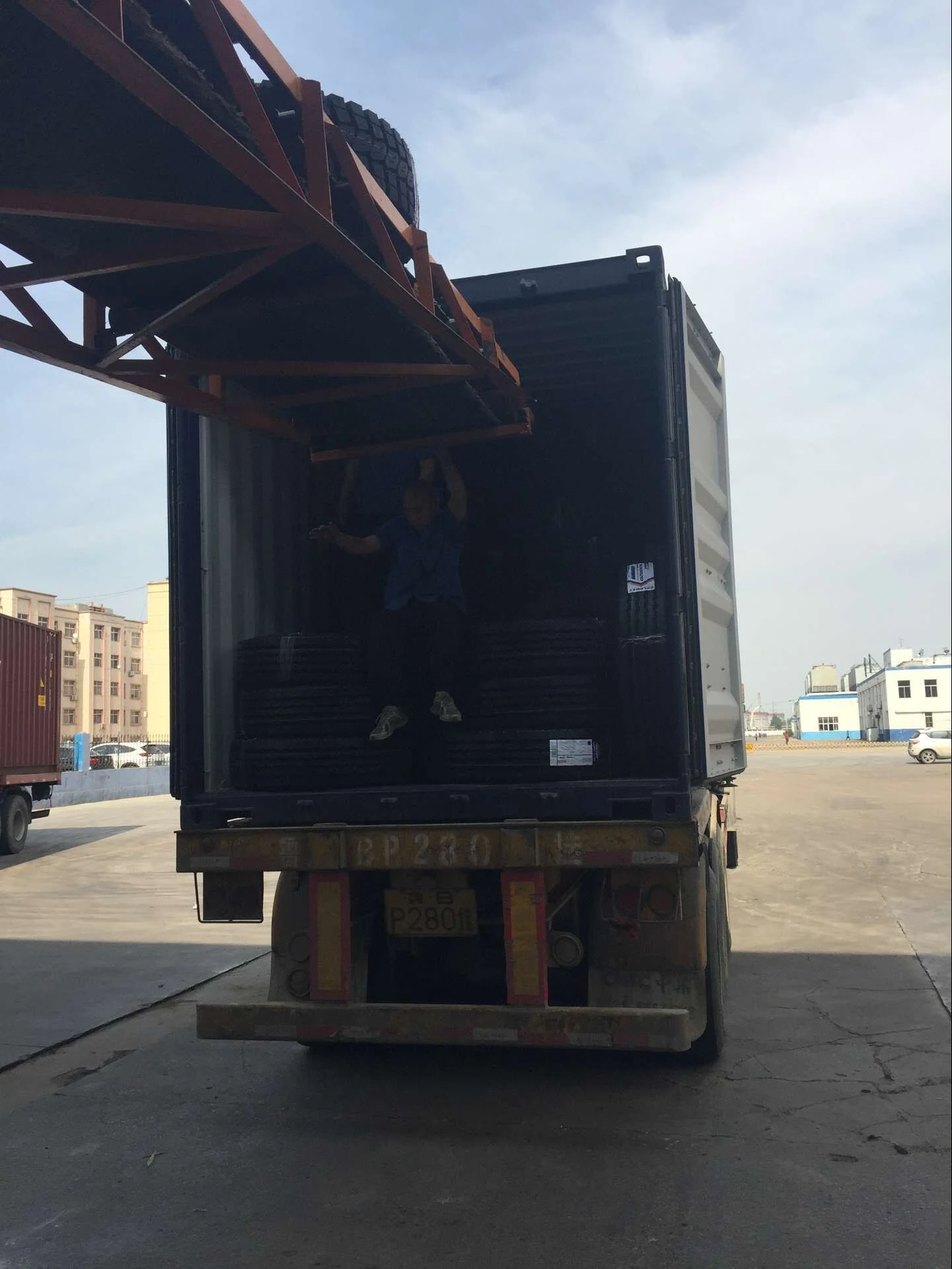
- Packing list, loading diagrams and photos of representative containers
- Commercial invoice, packing list, and agreed Incoterm for shipment
Negotiation and acceptance tips
Include acceptance tests and a holdback/clause in purchasing contracts that allows rejecting containers that fail documented incoming inspection. For pilots, order a small mixed container to validate performance before committing to larger volumes. Build return and warranty logistics into the commercial terms to reduce ambiguity in cross-border claims.
Conclusion and next steps
Long-haul tires for commercial fleets are a balance between casing durability, tread life and rolling resistance. For serious procurement, require verifiable test documentation, structured incoming inspection, and clear commercial terms that cover mixed-container shipments, warranties and lead times. Request factory packing diagrams and batch test reports with your RFQ, and schedule a pre-shipment inspection for first container shipments.
For next steps, prepare a technical specification sheet listing required sizes, load and speed requirements, retread expectations and the documentation you require; circulate that with your enquiry to shortlisted manufacturers and request container-level quotes and lead-time commitments.