Quick Summary: Heavy-duty tires for commercial vehicles are selected by matching size (ETRTO/ISO designation), load index/ply rating and intended service (long-haul, regional, mixed-service). Verify DOT/regulated markings, lab test reports and retread compatibility with the supplier before purchase. For bulk fleet procurement and commercial distribution, sourcing factory-direct container shipments from certified Chinese manufacturers provides 30–40% landed cost savings with full export compliance.
What "heavy-duty tires" means for commercial fleets
In a commercial context, heavy-duty tires refers to tires engineered for trucks, buses and other large vehicles that operate under high loads and extended hours. Key buyer parameters are the ETRTO/ISO size designation (which standardizes bead and section width), the load index or ply rating, tread design for the intended service, and the compound and casing construction that affect mileage, retreadability and fuel efficiency.
How to specify heavy-duty tires: essential technical checklist
- Size and rim compatibility: use the ETRTO/ISO size code from the vehicle or wheel manufacturer; confirm rim diameter and bead seat.
- Load index / ply rating: obtain vendor confirmation of the load capacity at the recommended inflation pressure; for fleet procurement request test data or certification rather than assuming values.
- Speed rating and application: choose a tread pattern and compound for long‑haul highway, regional or mixed‑service operation; directional vs. non-directional matters for specific axle positions.
- Retreadability and casing warranty: ask suppliers for retreadability metrics and casing warranties if you plan multiple lives per tire.
- Regulatory markings: for US on‑road tyres verify DOT approval marking and sidewall codes; for exports confirm applicable regional approvals.
Performance trade-offs and buyer priorities
Long‑haul treads and harder compounds often deliver lower rolling resistance and longer tread life at the expense of traction in severe weather. Regional or mixed‑service compounds prioritize traction and cut resistance but may reduce overall mileage. For each fleet, quantify your primary KPI (miles to removal, fuel per mile, or retread cycles) and request empirical test data from the supplier that maps those KPIs to the offered construction.
Comparison: buyer evaluation criteria
| Criterion | What to ask/supply | How to evaluate |
|---|---|---|
| Size / ETRTO code | Provide vehicle or rim size; request manufacturer confirmation of bead seat and section width. | Match exact ETRTO/ISO sizing to avoid fitment issues. |
| Load index / ply rating | Request load tables and recommended inflation pressures; ask for laboratory load tests if needed. | Confirm the load capacity at operating inflation pressures for your axle loads. |
| Tread design & compound | Request application recommendations (long‑haul, regional, mixed, off‑road) and compound hardness/chemical family. | Evaluate by matching service profile and reviewing supplier mileage/retread data. |
| Regulatory & test documentation | Request DOT/other markings and independent lab reports or factory test certificates. | Prioritize suppliers who provide clear DOT sidewall codes and third‑party test reports. |
| Retreadability & casing life | Request retread cycles observed and casing construction details. | Assess expected total-life cost (initial plus retreads) rather than upfront price alone. |
| Supply chain & lead time | Ask for current production lead time, MOQ and container-loading options. | Compare confirmed lead times and quotation terms before contract award. |
Inspection, sampling and quality control
Include pre‑shipment inspection (PSI) and sample lab testing in purchase contracts. Typical checks for buyers include visual sidewall inspection, uniformity testing, bead integrity, and verification of sidewall codes (size, DOT). For higher-risk procurements, commission an independent laboratory for material and load tests. Specify acceptable defect rates and rectify procedures in the purchase agreement.
Sourcing heavy-duty tires from China: Quality Standards, MOQ & Container Logistics
When procuring factory-direct from Chinese manufacturers, confirm required documents and logistics details before issuing an order:
- Quality & regulatory documentation: request ETRTO/ISO conformant sizing documentation, factory test reports and independent lab test certificates. For US on‑road use insist on clearly legible DOT sidewall markings and provide the DOT code you require the supplier to supply in writing.
- Certificates: suppliers may provide factory quality certificates, third‑party test reports and export packing lists; obtain a material test report and production batch traceability for commercial fleets.
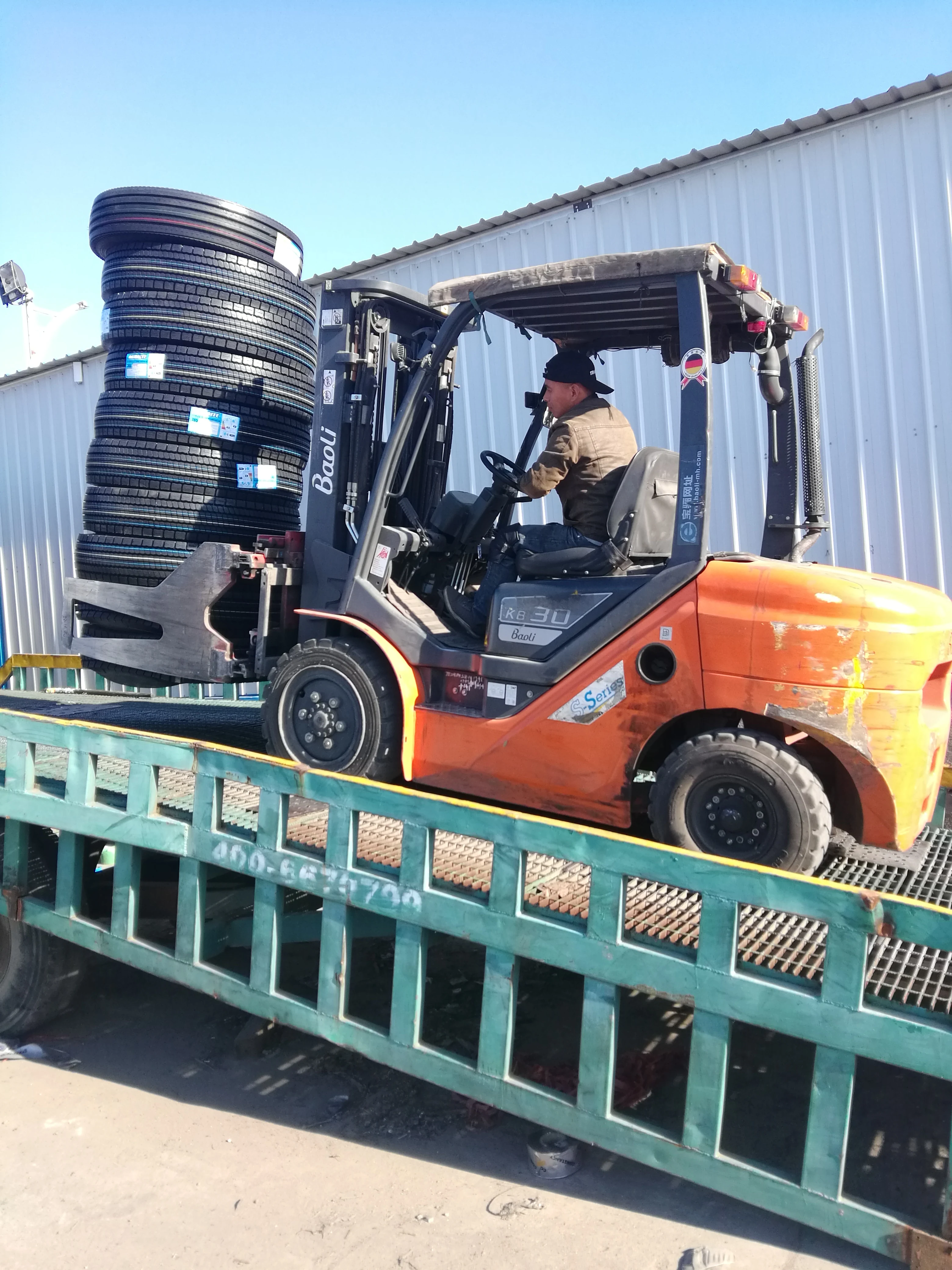
- MOQ and container options: MOQs vary by size and construction—confirm the supplier's minimum order quantity and whether mixed‑load (multiple sizes in one container) is available. For larger fleets, full-container loads (FCL) are commonly offered; for smaller orders suppliers sometimes permit consolidated LCL shipments. Ask for container loading plans and how tires will be packed to avoid deformation in transit.
- Export lead times and port terms: verify current manufacturing lead times and add estimated sea freight; typical total lead time varies with production schedule and shipping availability—request a confirmed lead-time in the pro forma invoice. Confirm export Incoterms, packing list and preferred export port (for example, suppliers often reference Qingdao or Ningbo as examples) and state whether prices are FOB, CNF or CIP so you can compare landed costs.
Supplier selection, contracts and risk management
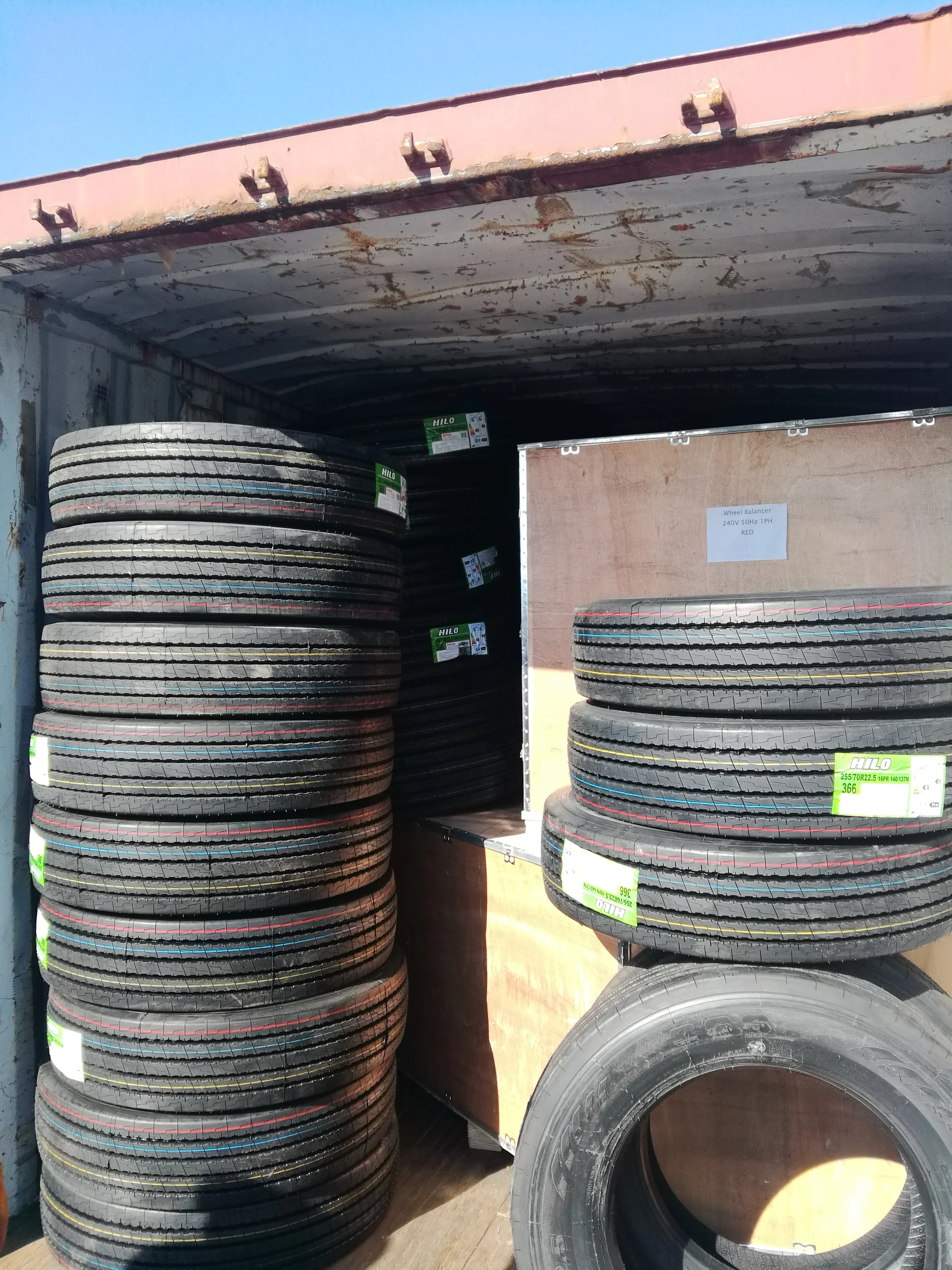
Evaluate suppliers by factory audit, sample program and proof of export experience. Include warranty terms, on‑site inspection rights, agreed defect thresholds and remedies. For commercial fleets, structure payments to milestones (sample approval, production start, PSI release) and require clear packaging and labelling for customs and fleet inventory control.
Maintenance and lifecycle considerations
Specify recommended inflation pressures, alignment and rotation practices and onboard inspection schedules in fleet manuals. For total cost of ownership, model initial cost plus retread cycles and expected mileage to removal. Where applicable, require suppliers to document retread compatibility and casing handling recommendations.
Conclusion and next steps
Heavy‑duty tires should be specified by exact ETRTO/ISO size, verified load capability and intended service. For fleet procurement, require DOT/regulatory markings, independent test reports and a clear supply contract with PSI and lead‑time commitments. Request formal quotations with confirmed lead times, MOQ and packing plans before awarding orders.
Next step: compile a technical request for quotation (RFQ) that lists sizes, expected annual quantities, desired service life/retread plan and required documentation, then solicit formal offers and factory inspection dates.