Quick Summary: Choose heavy duty tires for trucks by matching tire construction (bias vs radial), compound and tread pattern to the vehicle duty cycle—on‑road haul, quarry off‑road, or mining machine work—and verify ply rating, retreadability and ETRTO/ISO load indexes with the supplier. For bulk fleet procurement and commercial distribution, sourcing factory-direct container shipments from certified Chinese manufacturers provides 30–40% landed cost savings with full export compliance.
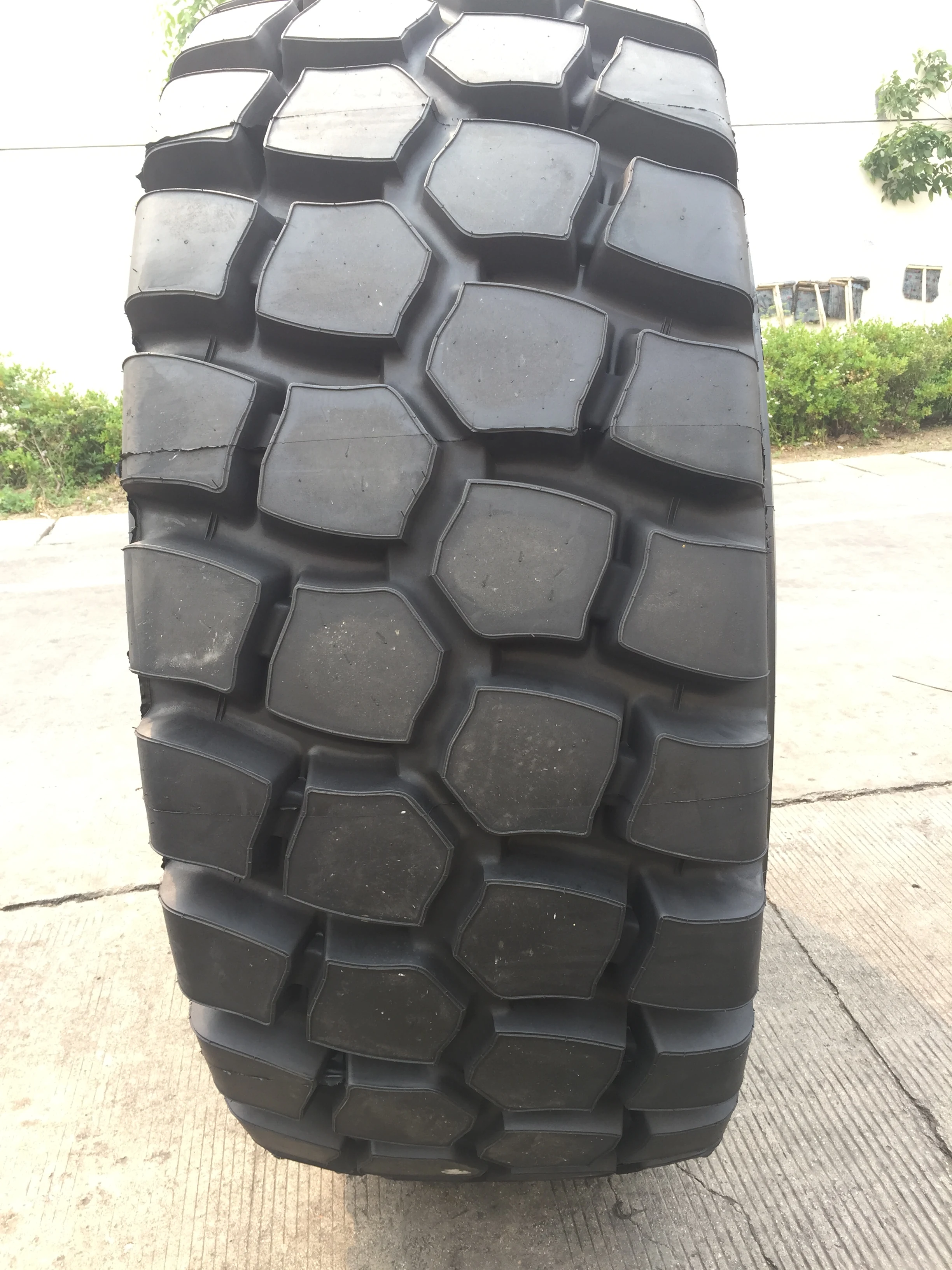
How to specify heavy duty tires for trucks: core technical considerations
Heavy duty tires for trucks and earthmover equipment must be specified by application first, then by dimensional and service criteria. Key decision points are vehicle type and duty cycle (on-highway long haul, regional haul, off-road service in quarries, or continuous mining operation), tire construction (bias-ply vs radial), tread compound and pattern, and the required load/pressure relationship specified by ETRTO/ISO standards.
Match tire type to application
- On-highway heavy trucks: radials designed for carcass flexibility, heat dissipation and retreadability.
- Quarry truck tires: reinforced sidewalls, deep tread blocks and cut-resistant compounds; these tyres tolerate rock cutting and high impact.
- Mining machine tires: specialized OTR (off-the-road) constructions with bead and shoulder engineering for high loads and low-speed cycles.
Performance attributes and buyer evaluation criteria
When evaluating suppliers, require written specifications for: compound hardness and polymer chemistry class (cut/chunk resistance), rubber tread depth and pattern options, carcass ply or PR rating, bead construction, heat-rating guidance, and retread compatibility. Warranty terms should be contractually defined and linked to service conditions.
| Criterion | What to request from supplier | How to evaluate |
|---|---|---|
| Tire type & application | Model designation and recommended duty cycle (haul, quarry, mining) | Confirm the model is rated for the intended duty cycle and operating speeds |
| Construction (bias vs radial) | Construction drawings and materials list | Radials for heat dissipation and retreadability; bias for extreme impact applications—ask supplier for test data |
| Tread compound & wear life | Compound class and abrasion resistance specification | Compare laboratory abrasion and cut-resistance classes or request sample lab reports |
| Ply rating / load specification | ETRTO/ISO nominal section and load index; recommended inflation tables | Match load index to vehicle axle loads; require supplier confirmation of rated loads |
| Retreadability & casing life | Retread compatibility statement and casing warranty | Prefer models with proven multiple retreads to lower life-cycle cost |
| Service support & parts | Spare availability, technical support SLA, local stocking options | Evaluate lead times and local service partnerships |
| Inspection & testing | Factory test reports (endurance, uniformity) and third-party lab options | Request sample test reports and specify third-party inspection if required |
Applications: bulldozer tires prices, quarry truck tires, and mining machine tires
Specific product families serve different machines. Bulldozer tires (when used instead of tracks on certain machines) and large wheel loader tires use highly cut-resistant compounds and reinforced beads. For queries about bulldozer tires prices, or cost planning across a fleet, request container-volume quotes and compare delivered-to-yard landed cost including duties and inland transport. Quarry truck tires require impact and stone ejection designs; mining machine tires need the highest load-bearing carcasses and often custom bead assemblies. For each application, require vendor documentation of recommended inflation under load, expected casing life under defined operating hours, and recommended retreading intervals.
Sourcing heavy duty tires for trucks from China: Quality Standards, MOQ & Container Logistics
When sourcing factory-direct from China, confirm the supplier’s compliance documents and testing regime. Typical documents and standards to request include factory inspection reports, ISO 9001 quality system certificate (if held), test reports aligned to relevant ETRTO/ISO tyre testing protocols, and any CE or DOT markings the product legitimately carries (depending on destination-market requirements). Do not accept verbal claims—request paperwork.
MOQ and container options vary by supplier and tire size. Many manufacturers will offer mixed-container loads (e.g., multiple SKUs in one 20' or 40' container) to reduce per-unit costs for small fleets—request the supplier's container loading plan and volumetric calculations. For pricing and lead times, ask suppliers to quote both FCL (full container load) and LCL options, and confirm export packaging and palletization.
Export lead times for finished earthmover tires typically depend on stock availability and the need for bespoke construction or additional testing; allow several weeks for stock shipments and longer for custom runs. Typical port terms should be specified in the commercial offer—common Chinese load ports include Qingdao and Ningbo as examples to confirm with your supplier; shipping lanes and transit times will depend on the carrier and destination port you select. Always confirm Incoterms, export documentation, and whether the supplier handles export customs clearance or leaves that to the buyer's freight forwarder.
Inspection and acceptance
Specify pre-shipment inspections (PSI) — visual, dimensional and a random sample of dynamic balance/uniformity testing — and require photographic evidence and full inspection reports. For high-value mining machine tires, consider third-party laboratory validation of compound and carcass tests before dispatch.
Operational tips for fleet managers
- Develop a tire lifecycle cost model that includes purchase price, expected casing life, retread cost and downtime impact.
- Track operating hours per tire and wear patterns to adjust compound and tread choices over time.
- Establish a door-to-yard logistics plan that includes import customs handling, inland delivery, and any local certification needed for operation in your jurisdiction.
Conclusion and next steps
Selecting the correct heavy duty tires for trucks requires matching construction, compound and tread pattern to your operating profile, and then validating supplier documentation and testing. For pricing such as bulldozer tires prices or bulk requirements for quarry truck tires and mining machine tires, request container-volume RFQs, factory test reports, and pre-shipment inspection options. Begin procurement with a short-list of two to three suppliers, request detailed technical packs and sample test results, and negotiate mixed-container loading to optimize landed cost and availability.
Commercial next step: prepare an RFQ that includes expected axle loads, typical operating surfaces, desired retread plan, and required documents (ETRTO/ISO data, factory test reports, PSI). Ask suppliers to confirm mixed-container capability, lead times and Incoterm pricing for your preferred port options.