Quick Summary: Earthmover tires are heavy-duty off-the-road OTR tires engineered by tread design casing construction and ply PR rating to match tasks dozing loading hauling or mining Choose size bias vs radial and retread options based on machine axle loads and duty cycle request supplier load-index curing records. For bulk fleet procurement and commercial distribution, sourcing factory-direct container shipments from certified Chinese manufacturers provides 30–40% landed cost savings with full export compliance.
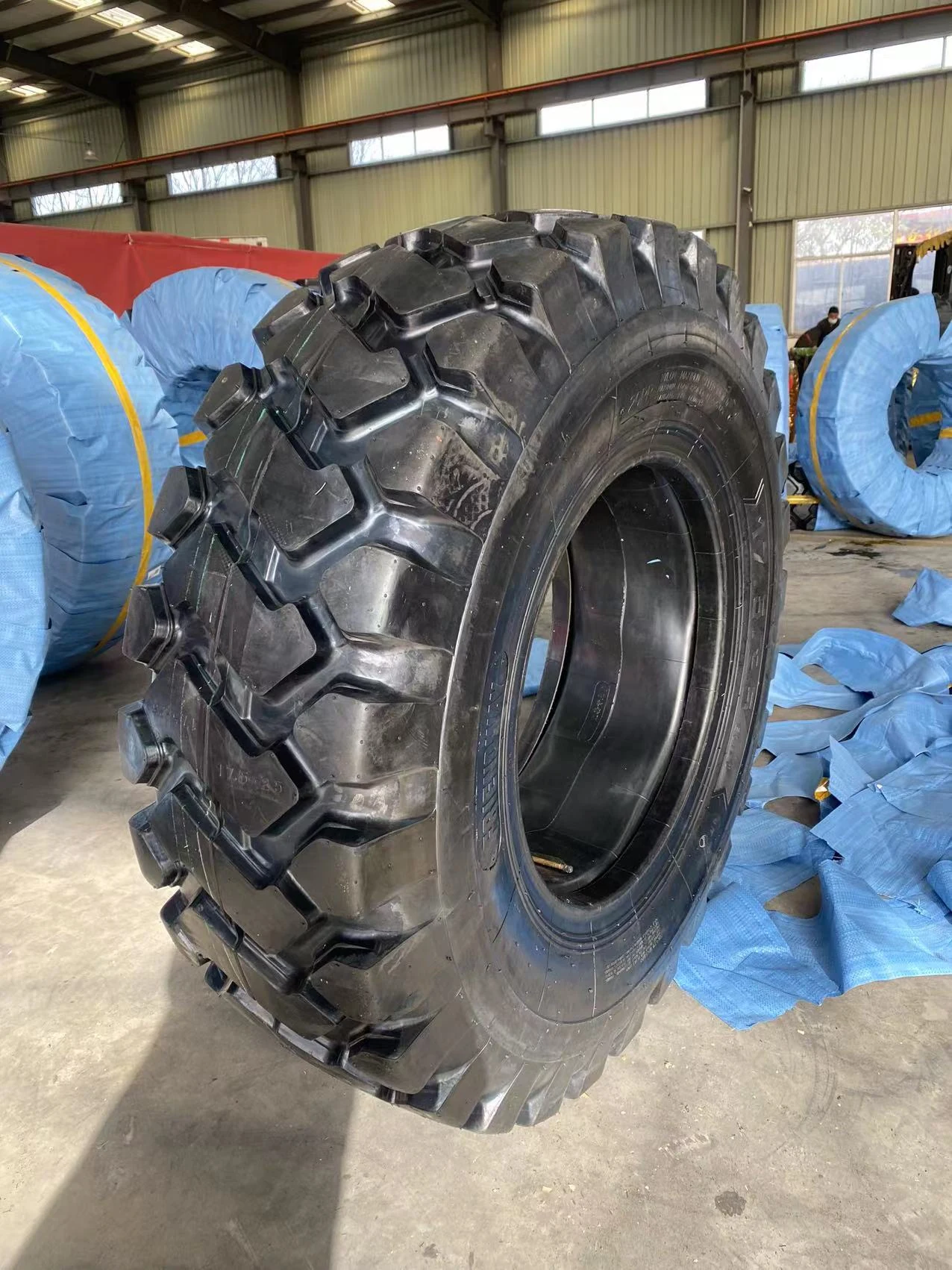
What are earthmover tires and primary classifications?
Earthmover tires are a class of off-the-road (OTR) tires built for heavy equipment used in construction, quarrying, mining and material handling. Primary classifications by application include:
- Loader/Backhoe tires — high flotation and cut-resistant treads for repeated impacts and short-haul loading.
- Haul/ADTs (articulated dump trucks) — designed for sustained loads and heat resistance on haul roads.
- Dozer/Ripper tires — heavily reinforced casings for extreme shear and cutting resistance.
- Rigid dump truck (RDT) tires — largest OTR types with very high load ratings and special heat-construction.
Construction differences: bias, radial, and carcass options
Construction choices strongly influence longevity and cost. Bias-ply tires use overlapping plies and can be more damage-tolerant in certain working conditions; radials separate casing and tread, improving heat dissipation and often offering longer life on haul applications. Reinforced sidewalls, steel belting, and specific bead packages are specified by OEMs or fleet engineers to protect against rim damage and pinch flats.
Key technical specs buyers must confirm
- Size and ETRTO designation — confirm exact rim fitment and bead diameter.
- Ply rating or PR and construction drawings — determines load capacity and operating pressure.
- Load index and speed rating — critical for safe axle loading and transport rules.
- Curing/dot batch numbers and factory vulcanization records — for traceability.
Earthmover tires cost: how prices are set and what to expect
Earthmover tires cost varies with size, construction (bias vs radial), tread compound, ply rating, and brand. Larger mining and RDT tires are the most expensive. For B2B fleet purchasing, a defensible industry guideline is to expect per-tire wholesale ranges that rise with diameter and application class; for container-volume pricing, ask suppliers for a firm quotation. Many buyers secure 20' or 40' container pricing for mixed sizes; request price-breaks by container quantities and confirm incoterms.
Assessing brand options — including Goodyear earthmover tires
Global brands such as Goodyear are known for broad dealer networks, documented homologation, and product validation; branded choices often carry predictable warranty and aftermarket service. When evaluating any brand or OEM product, require: test reports (tread wear, endurance), warranty terms, service network in your operating geography, and retread programs. For private-label or China factory-direct suppliers, compare lab test data and on-site factory audits to branded alternatives rather than relying on name recognition alone.
Buyer evaluation table: criteria for selecting earthmover tires
| Evaluation Criterion | What to check | Buyer action |
|---|---|---|
| Size / ETRTO | Exact rim diameter, section width and aspect ratio per equipment OEM | Confirm ETRTO spec with supplier; obtain stamped drawings. |
| Construction (Bias vs Radial) | Impact on heat buildup, retreadability and cost per operating hour | Match construction to duty cycle; request service-life case studies. |
| Load rating & operating pressure | Supplier-provided load index and recommended inflation range | Require supplier certificate showing rated load at specified pressures. |
| Tread compound and pattern | Cut, chip, heat-resistant compounds for specific terrain | Ask for compound data sheets and field references for similar conditions. |
| Cost (B2B) | Per-tire FOB/EXW and container-volume discounts; shipping/incoterms | Request container-volume quotes; compare landed cost including duty and handling. |
| Quality assurance & testing | Factory ISO/QC, third-party lab reports, batch traceability | Require sample testing, Certificates of Conformity and NDT results where applicable. |
Sourcing earthmover tires from China: Quality Standards, MOQ & Container Logistics
When sourcing from Chinese manufacturers, confirm the manufacturer's quality and export documentation. Common and relevant documents include: ISO 9001 factory certification, ETRTO size confirmation, DOT marking for tires intended for on-road regulatory compliance in the U.S., and independent laboratory test reports (endurance, bead strength, cut resistance). CE is an EU declaration and may not be applicable to off-road tires unless sold into EU markets under specific directives.
MOQ and container logistics: many factories set minimums by container — commonly one 20' or 40' container per order — but mixed-container loads with multiple sizes are frequently accommodated. Lead times depend on stock and production queue; typical production lead times range from several weeks to a few months for larger, non-stock sizes. Allow additional time for export documentation and sea transit; port terms such as Qingdao or Ningbo may be used by sellers as examples and should be confirmed in the sales contract. For US buyers, request Incoterms, HS codes, and port-of-dispatch details up front.
Quality-control checklist for incoming shipments
- Visual inspection for curing defects and uniformity.
- Batch and DOT/ETRTO number traceability against factory records.
- Physical tests on random samples — hardness, tensile, and bead integrity.
- Endurance or lab test certificates for new designs or private-label products.
- Documentation: packing list, bill of lading, commercial invoice, COO and any agreed test certificates.
Practical next steps for procurement teams
Prepare an RFQ that specifies equipment models, required sizes, expected annual volume, duty cycle and operating terrain. Ask suppliers for: factory inspection reports, sample tires for field trials, warranty terms, and container FOB/EXW pricing. If considering retreads, request casing history and retreadability data. For branded alternatives like Goodyear earthmover tires, compare aftermarket support and dealer availability in your operating regions.
Conclusion and commercial next step
Earthmover tire selection is a balance of construction, size, and life-cycle cost. For fleet operators, defining duty cycle and obtaining documented load/pressure ratings are the first steps. Gather supplier test data, request on-equipment trials when possible, and compare total cost of ownership rather than lowest unit price.
To progress: prepare a consolidated parts list and volume forecast, request container-volume quotations and sample shipments, and require factory QC evidence before award.