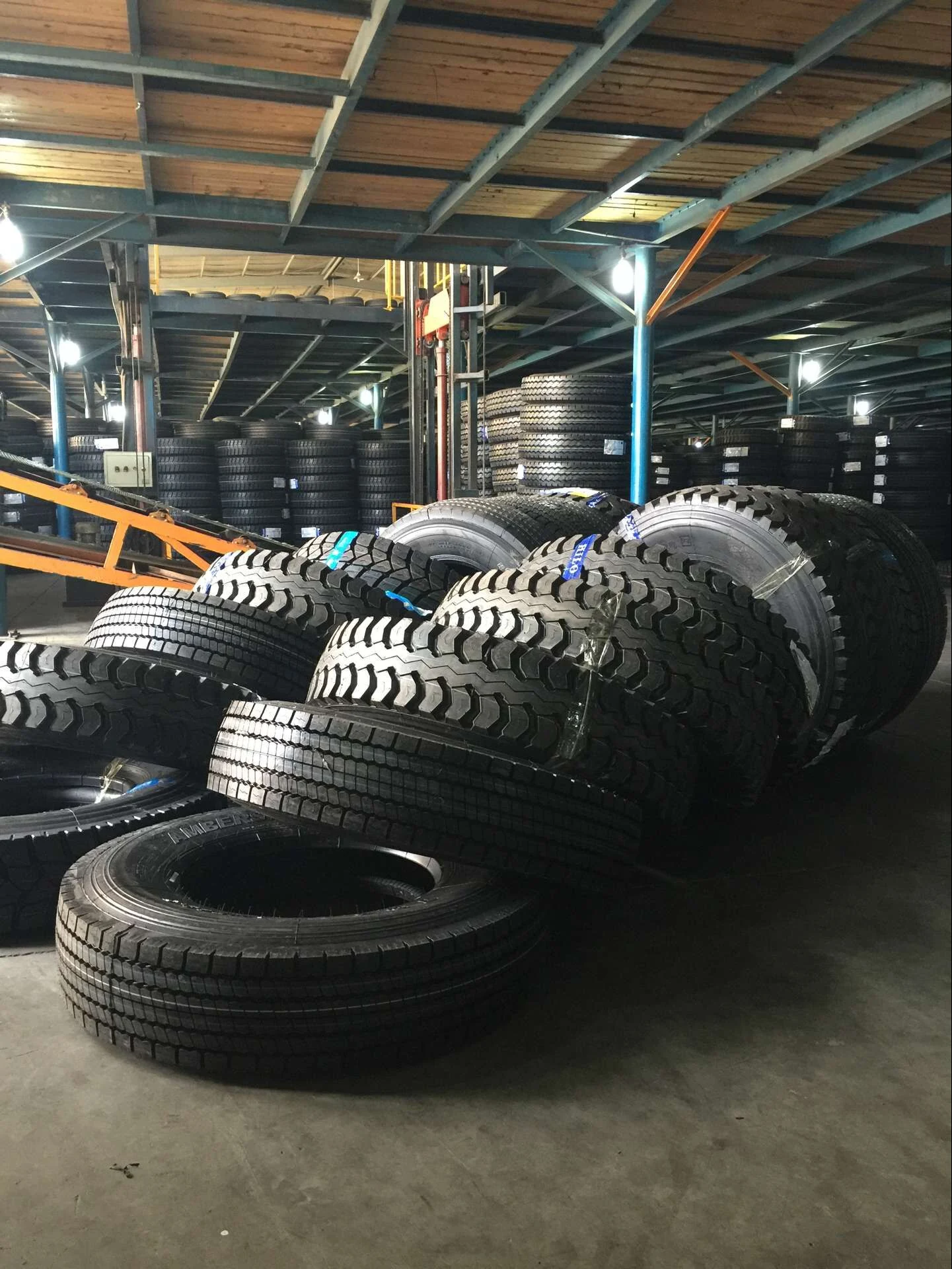
Quick Summary: Container truck tires are heavy-duty commercial tires selected for chassis and terminal operations by matching rim size, ply/sidewall reinforcement, and verified load/speed rating to the payload and service profile. Confirm DOT or relevant approval marks and request factory test reports before purchase. For bulk fleet procurement and commercial distribution, sourcing factory-direct container shipments from certified Chinese manufacturers provides 30–40% landed cost savings with full export compliance.
What are container truck tires and where they are used
Container truck tires are commercial-grade truck and trailer tires specified for chassis, terminal tractors (yard trucks), and heavy-duty trailers that move laden or empty containers. They differ from standard highway truck tires primarily by reinforced sidewalls and carcass construction for frequent low-speed maneuvers, higher local loads, and exposure to port environments. Typical use-cases are terminal yard tractors, on-dock chassis, intermodal trailers and short repositioning hauls between ports and nearby depots.
Key technical considerations for buyers
Size and rim compatibility
Confirm rim diameter and bead seat details before ordering. Common heavy-truck rim sizes include 22.5-inch variants (e.g., 11R22.5 / 295/75R22.5), but always match the exact rim and wheel assembly specification provided by your fleet OEM or wheel supplier.
Load capacity, ply rating and speed rating
Load capacity must be confirmed on the supplier data sheet. Manufacturers typically reference ETRTO/ISO load tables or their own load index; request the explicit load index and confirm it suits the maximum axle weight and gross combination weight you operate under. Speed ratings for terminal tires are commonly lower than long-haul drive tires—specify a speed rating that reflects yard and short-haul operation.
Tread pattern and compound
Select tread patterns for the duty cycle: smooth, blocky patterns for terminal traction and scrub resistance; rib patterns for steering positions on repositioning axles; mixed designs for multi-purpose trailers. Compound formulations that resist cuts, chunking, and heat build-up are desirable in port operations—ask for compound descriptions and lab abrasion/resilience data.
Construction and retreadability
Radial construction is standard for most modern truck tires because of heat dissipation and retreadability. For some heavy static loads, bias-ply options may still be considered. If retreading is part of your lifecycle strategy, confirm carcass design, casing warranty and number of safe retreads recommended by the manufacturer.
Comparison: Buyer evaluation criteria for container truck tires
| Criterion | What to request from suppliers | Buyer guidance |
|---|---|---|
| Size availability | List of SKUs and rim sizes; confirm exact diameter and section width | Match to existing wheelsets to avoid costly wheel changes |
| Load rating / certification | Manufacturer load index or ETRTO reference; DOT or regional approval marks | Require supplier to confirm rating meets axle and GCW requirements |
| Tread compound & wear | Technical data on compound, cut resistance, and lab abrasion tests | Prioritize compounds proven on port/terminal service |
| Construction (radial/bias) | Construction details; recommended retread cycles | Radials preferred for heat management and retreading |
| Certifications & test reports | DOT stamp for U.S. use; third-party inspection or lab test reports on request | Require copies of production batch test reports and visual inspection certificates |
| Warranty & claims | Written warranty terms and RMA process | Clarify claim period, acceptable wear thresholds, and return logistics |
| Price / MOQ | Request container-volume quote and FOB/EXW terms | Ask for mixed-container options and landed cost scenarios; inquire for container-volume pricing |
Inspection, testing and on-site acceptance
Use a documented acceptance plan: sample dimensional checks, visual inspection for mold marks and curing defects, sidewall uniformity checks, and random destructive or bench tests where required. For larger fleet buys request batch production test certificates and consider third-party pre-shipment inspection (SGS, Bureau Veritas, Intertek). Retain a small sample from each production batch for in-service monitoring and failure analysis.
Sourcing container truck tires from China: Quality Standards, MOQ & Container Logistics
When procuring from Chinese manufacturers, require the following documentation and commercial clarifications:
- Certifications and approvals: request supplier-supplied evidence of applicable marks such as DOT markings for tires intended for the U.S. market, ECE approvals if European transit is planned, and any factory quality-management certificates (ISO 9001). Ask suppliers to provide their test reports aligned to recognized standards; confirm which standard (ETRTO/ISO) the load/speed ratings reference.
- Export documentation: commercial invoice, packing list, certificate of origin, and any third-party inspection or testing certificates agreed in the contract. For chemical content concerns, request material safety data sheets (MSDS) for compounds used.
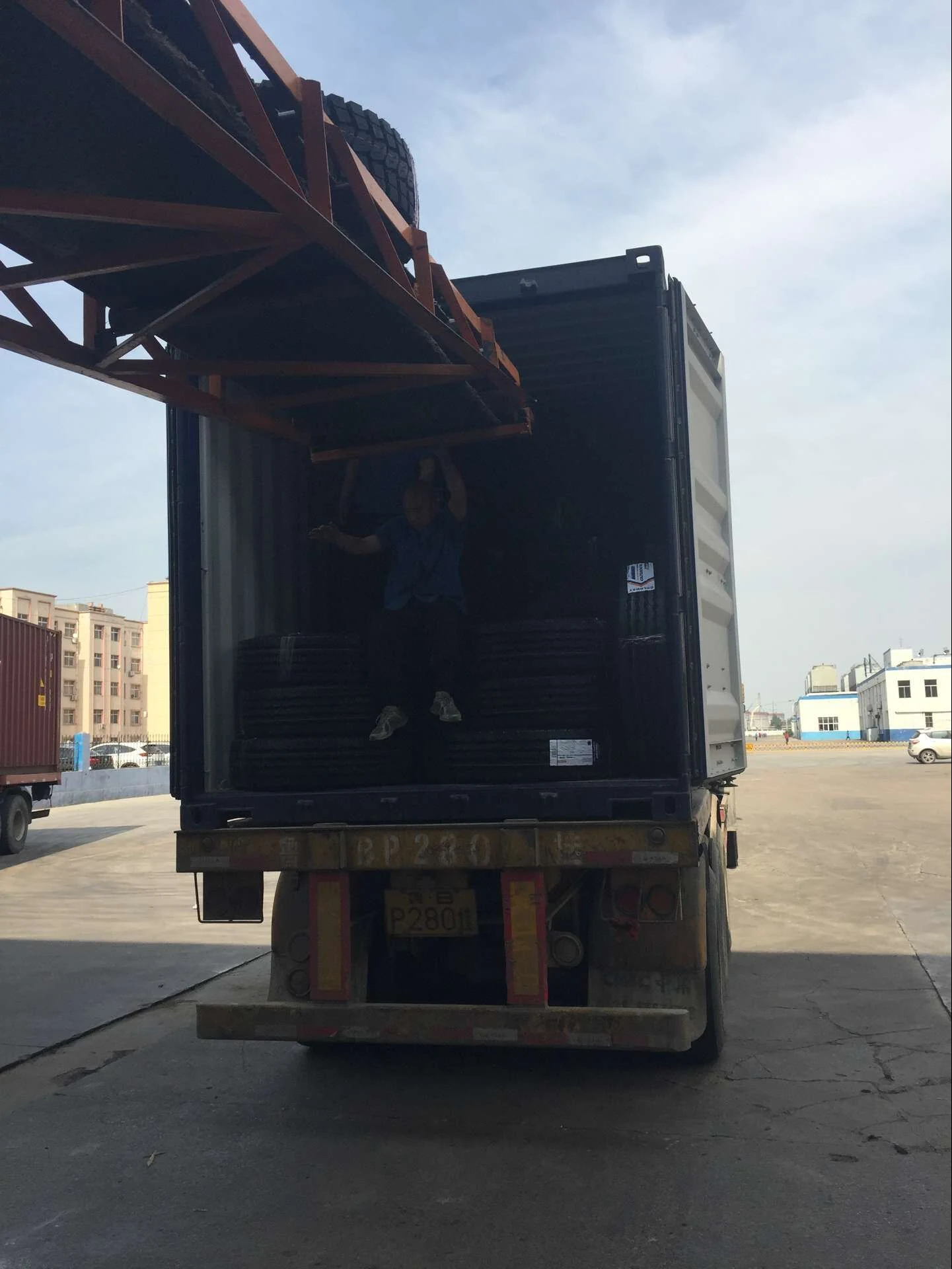
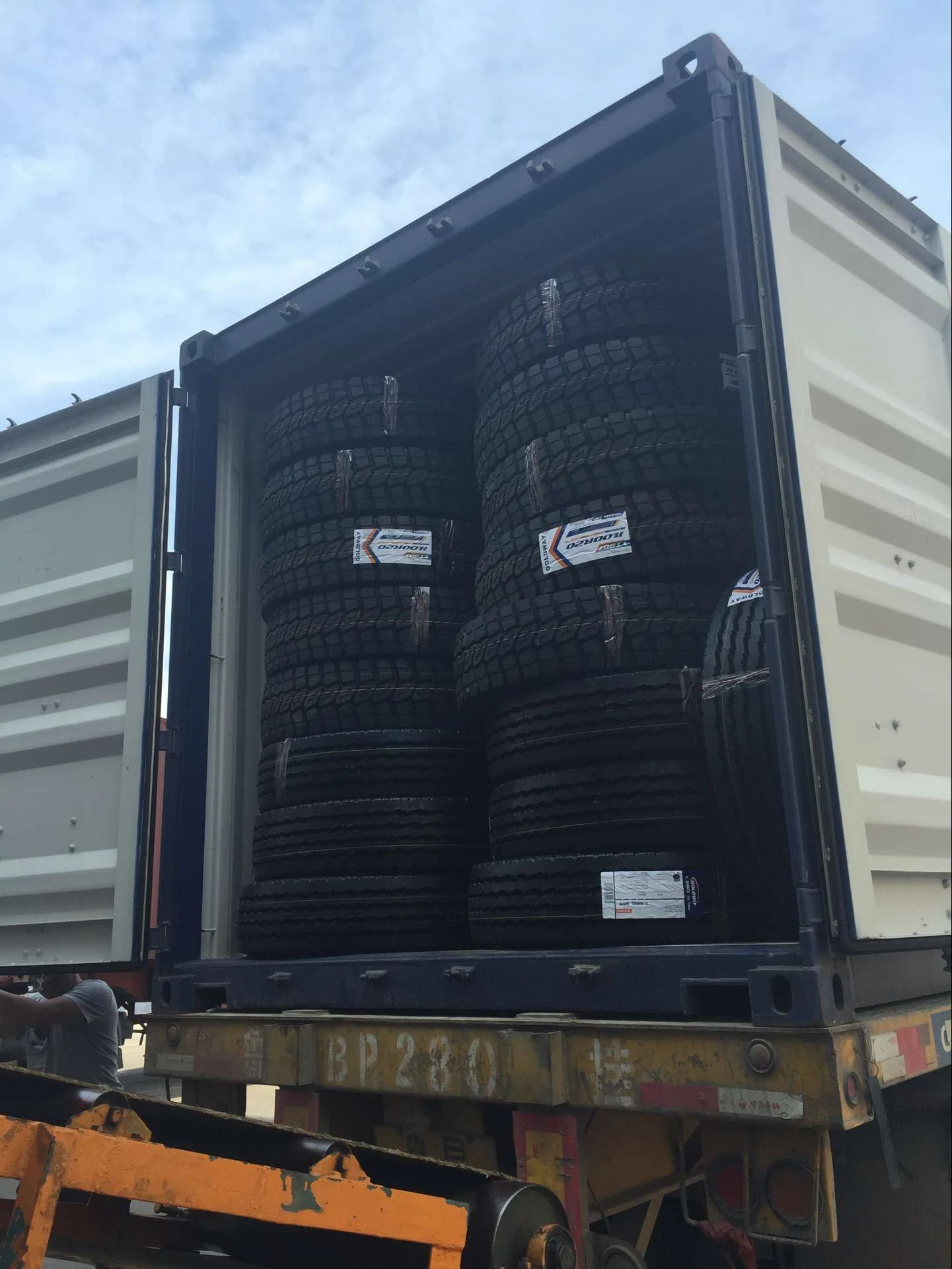
- MOQ and container loading: MOQ is typically aligned to container capacity; many suppliers offer mixed-container loads to accommodate multiple SKUs. Confirm palletization, tyre stacking method, and usable tire count per 20ft or 40ft container with the supplier—this affects landed cost calculations.
- Lead times and port terms: typical lead times vary by factory schedule and testing requirements—confirm production lead time and pre-shipment inspection windows. Request CIF or FOB quotes with preferred port terms; confirm export port options (for example, Qingdao or Ningbo may be quoted by suppliers) and estimated transit windows to your chosen U.S. port.
Contract clauses and warranty management
Include clear acceptance criteria, batch traceability, dispute-resolution steps, and RMA logistics for damaged or non-conforming tires. Specify whether warranty repairs or replacements are handled at origin or on arrival, and who bears return freight. For large fleets, include periodic performance reviews and provisions for pilot batches before full production.
Conclusion and next commercial step
For fleet buyers, the technical selection of container truck tires must align rim and axle specifications, load rating, compound performance, and retread strategy. Before finalizing a supplier, obtain batch test reports, confirm DOT or regional approval marks, and request a container-volume quotation with packaging and lead-time details. For initial validation, order a pilot shipment and conduct a third-party pre-shipment inspection.