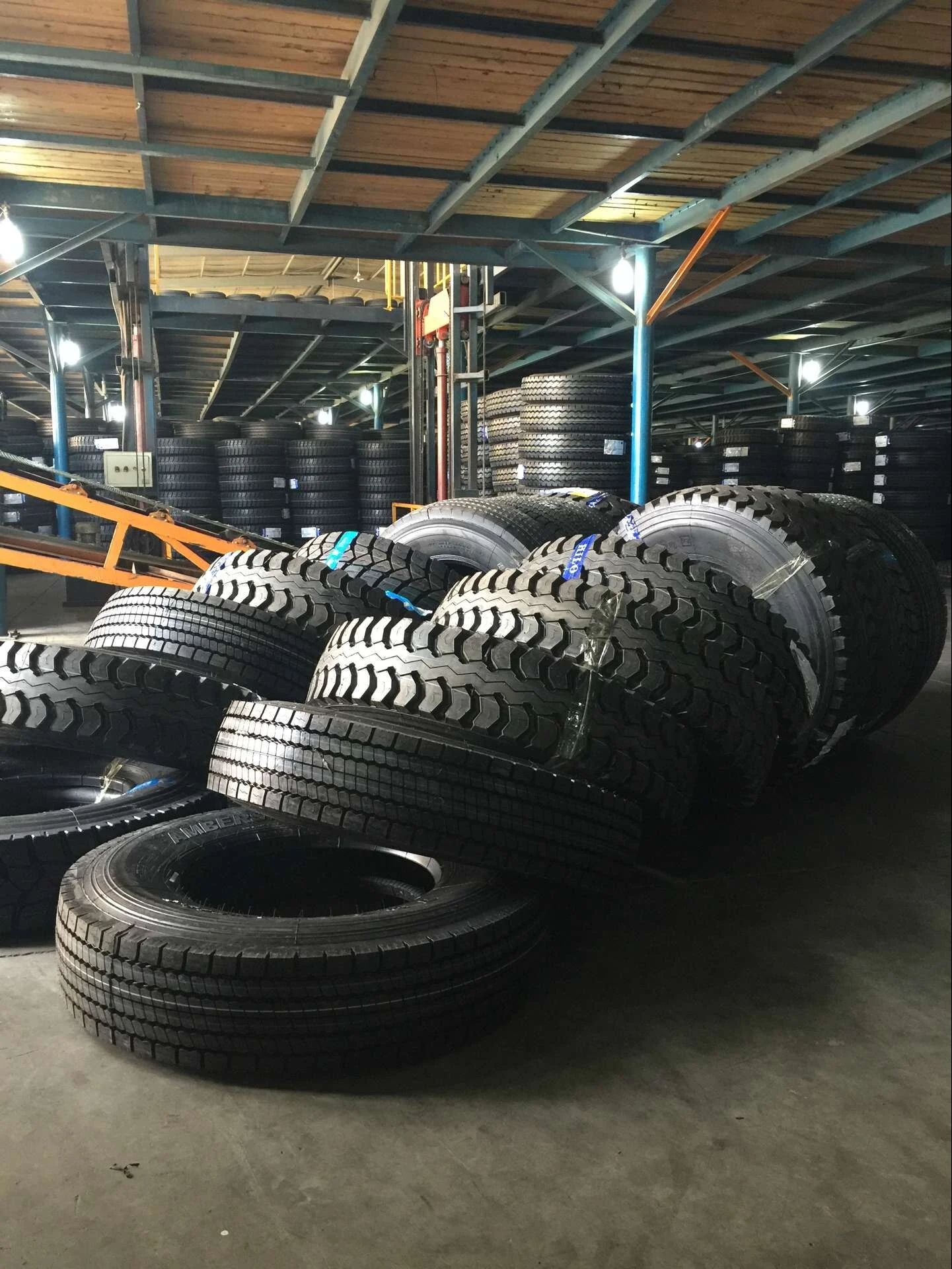
Quick Summary: Regulatory minimums and operator policies determine acceptable commercial vehicle tire tread depth Operators typically inspect tread for remaining groove depth even wear and tread damage and replace tires according to vehicle and route-specific thresholds set in fleet policy confirm the regulatory minimum and fleet replacement thresholds. For bulk fleet procurement and commercial distribution, sourcing factory-direct container shipments from certified Chinese manufacturers provides 30–40% landed cost savings with full export compliance.
Commercial vehicle tire tread depth is an operational and compliance parameter that affects safety, fuel consumption, wet-weather grip and retreadability. This guide explains how to assess tread, implement inspection practices, interpret wear patterns, and include tread requirements in procurement specifications. It is written for fleet managers, procurement leads and technical buyers who must balance safety, uptime and total cost of ownership.
Direct technical answer: what to measure and why
Focus inspections on groove depth across all major circumferential grooves, wear indicators (if present), and signs of irregular wear (cupping, feathering, shoulder wear). Use a calibrated tread-depth gauge and document readings across the central and shoulder grooves. Track trends per axle and rotate or remove tires when readings approach your fleet’s documented replacement thresholds or when irregular wear compromises performance. Confirm applicable regulatory minimums with your compliance officer and the tire supplier for the specific tire model and application.
How to measure tread depth and inspect tires
Tools and technique
- Use a calibrated mechanical or digital tread-depth gauge for repeatable measurements; measure in several circumferential grooves and average by position.
- Record measurements at multiple points across the tread to detect cupping or shoulder wear. Log values in the vehicle maintenance record for trend analysis.
- Inspect for embedded objects, cuts, sidewall damage and visible cords. Any structural damage means the tire should be evaluated by a qualified technician immediately.
Interpreting wear patterns
Irregular wear indicates alignment, suspension, braking or inflation issues. Examples:
- Feathering or scalloped edges often point to alignment or balance problems.
- Shoulder wear vs. center wear suggests over- or under-inflation respectively.
- Cupping or spotty tread loss can come from worn suspension components or poor balance.
Replacement, retreading and lifecycle management
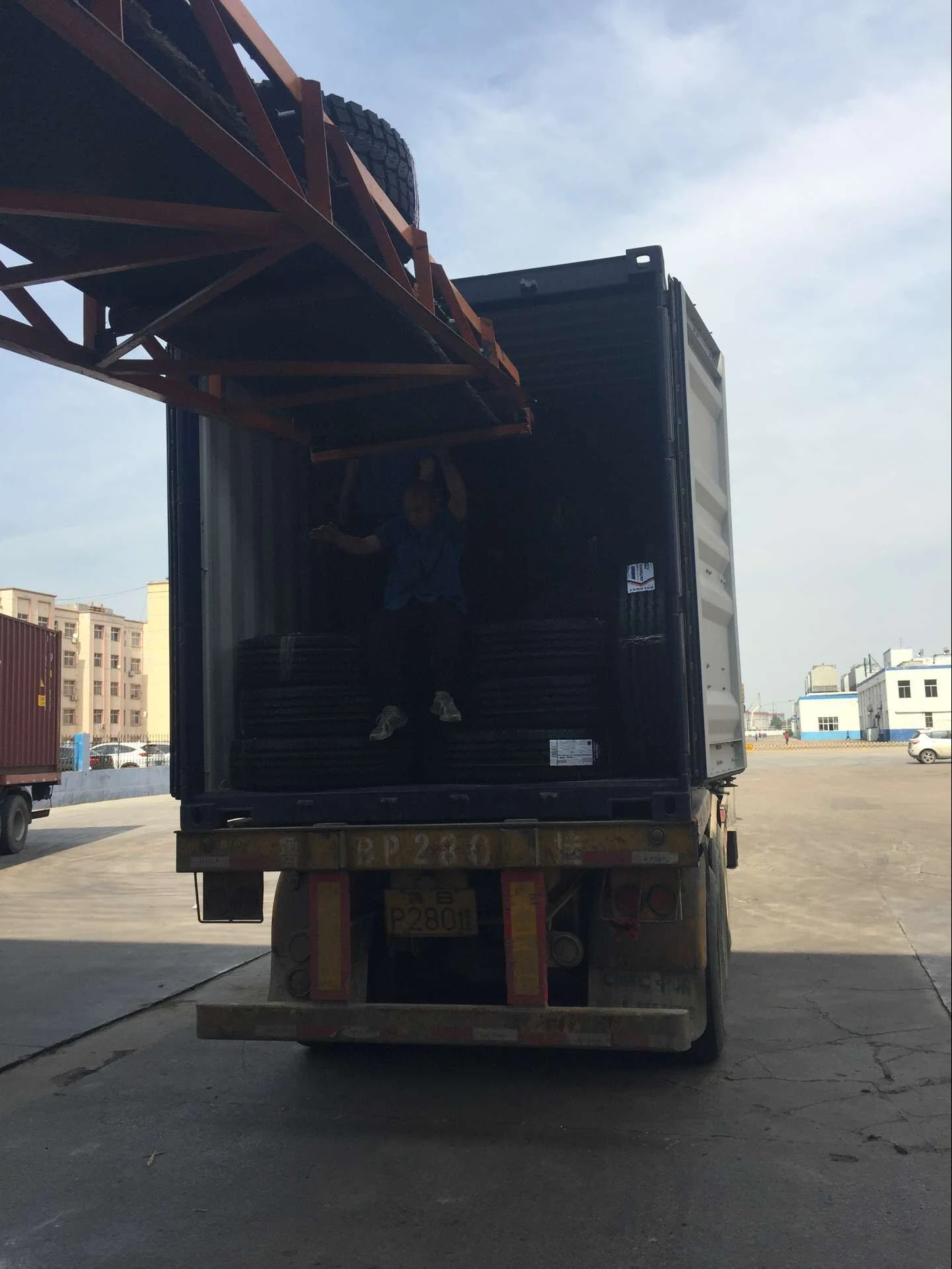
Decisions to replace or retread should be driven by documented fleet thresholds, carcass condition, and manufacturer guidance. Retreading is commonly used in commercial fleets to reduce cost and extend casing life, but suitability depends on casing condition, previous repairs and the tire’s service history. Require suppliers to provide carcass inspection reports and retread recommendations when considering used casings.
Comparison table: buyer evaluation criteria for tread depth and related requirements
| Evaluation criteria | Why it matters | What to request from the supplier |
|---|---|---|
| Regulatory compliance | Ensures legal operation and avoids fines or out-of-service conditions. | Copies of conformity documentation, DOT marking (for U.S. market), and test reports; confirm minimum legal tread depth for intended jurisdiction. |
| Recommended replacement thresholds | Defines service-life policy and replacement cadence for safety and fleet economics. | Supplier recommendations and any model-specific guidance; fleet should document its operational thresholds. |
| Measurement method | Repeatable inspection process reduces false positives/negatives. | Specify use of calibrated gauges and sample measurement protocol in acceptance criteria. |
| Retreadability and casing history | Determines whether casing is reusable; impacts TCO and sustainability. | Request carcass inspection forms and retread approval guidelines per tire model. |
| Tread design suited to application | Tread pattern affects traction, rolling resistance and wear rate. | Compare lab/field test data for wet braking, rolling resistance, and wear; request application recommendations. |
| Warranty & field support | Protects against early failures and supports in-service diagnostics. | Written warranty terms, claims process, and local technical support availability. |
| MOQ, lead time & logistics | Impacts replenishment planning and stocking costs. | Ask supplier for MOQ, mixed-container options, documented lead times and port terms for export. |
Practical procurement and quality-control checklist
- Include a tread-measurement protocol in your acceptance inspection (tool specified, measurement locations, pass/fail thresholds).
- Require supplier-provided type approval, test reports and production batch traceability for every shipment.
- Request sample carcass reports and retread approval criteria if retreading will be part of your TCO plan.
- Require a warranty and clear claim-handling SLA; keep a reserved sample pool from each container for warranty verification.
- Monitor in-service wear data and adjust replacement thresholds by route and axle position.
Sourcing commercial vehicle tire tread depth from China: Quality Standards, MOQ & Container Logistics
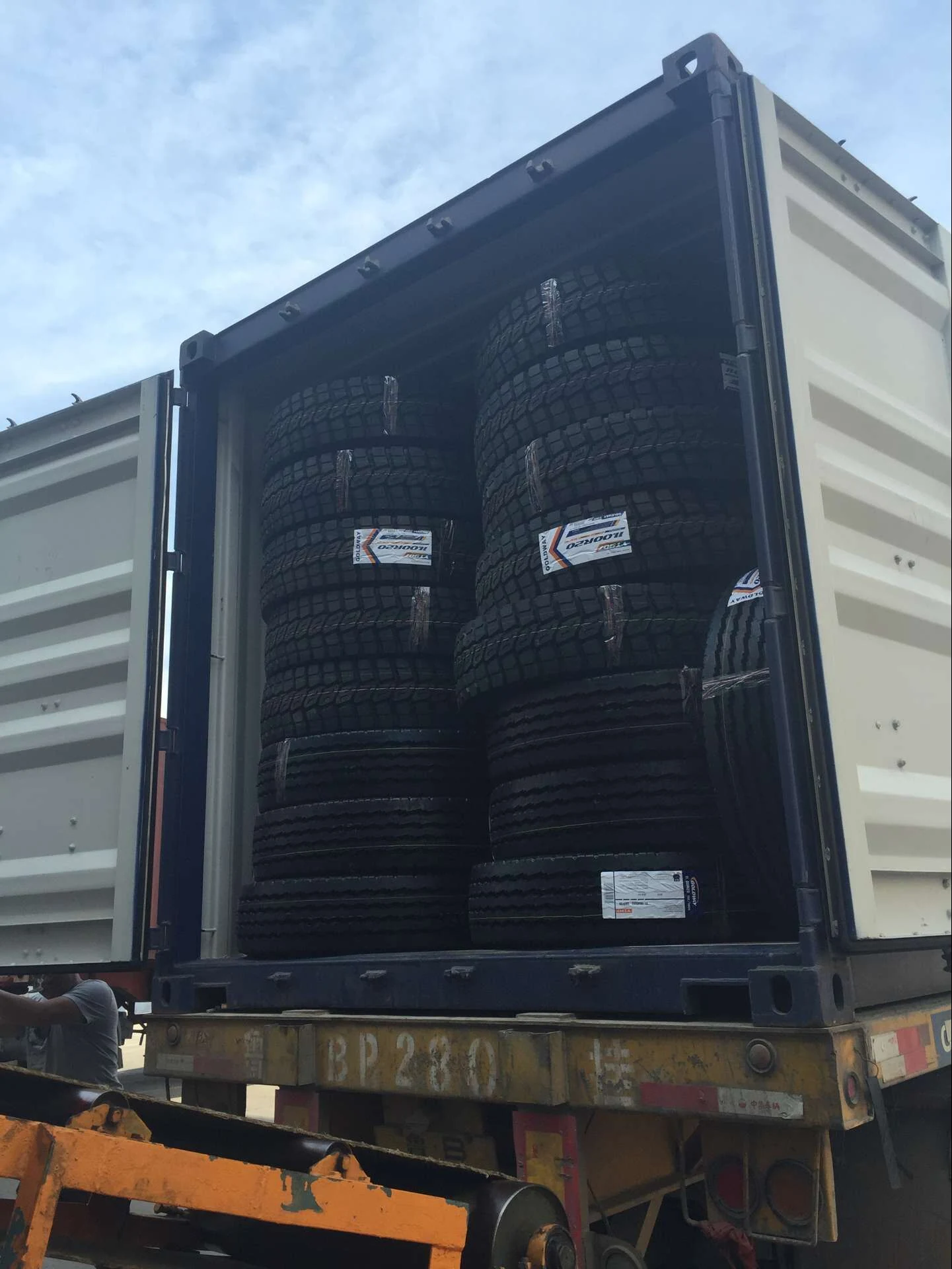
When procuring factory-direct from Chinese manufacturers, request documented evidence of applicable quality and compliance standards. Typical documents and certifications buyers ask for include:
- Company quality certifications such as ISO 9001 or automotive industry standard IATF 16949 where applicable;
- Type approvals, declarations of conformity and test reports relevant to your market (for the U.S., request DOT markings and supporting test documentation);
- Production and batch traceability records, inspection reports and third-party testing when required by your procurement policy.
Minimum order quantities (MOQ) vary by supplier and tire size—many factories offer mixed-container options to combine multiple SKUs in a 20' or 40' container; request confirmed packing lists and MOQ per SKU. Typical production lead times are quoted by suppliers on a per-order basis; many buyers see production windows from several weeks to multiple months depending on capacity and seasonality—confirm firm lead times in the purchase contract. For export logistics, ask suppliers to quote port terms and Incoterms; Qingdao and Ningbo are commonly cited example ports for East China export shipments, but confirm the actual port and routing with the supplier and freight forwarder. Always request written lead times and FOB/EXW container pricing or container-volume CIF quotes for planning.
Supplier evaluation questions to include in RFQs
- What are your recommended replacement thresholds by axle position for this tire model?
- Can you provide batch traceability, production test reports and DOT or other market-specific certifications?
- What are MOQ and mixed-container options, and what are your standard lead times for production and export?
- Do you provide carcass inspection and retread approval documentation?
- What warranty terms and field support are included for commercial fleets?
Conclusion and next steps
For fleet buyers, robust tread-depth policy, consistent measurement, and a supplier contract that specifies acceptance criteria and traceability reduce operational risk and improve lifecycle economics. Combine in-service measurement data with supplier technical guidance to set replacement thresholds that match your routes and performance goals. For commercial procurement, request sample test documentation, confirm MOQ and mixed-container options, and obtain firm export lead times before finalizing purchase agreements.
Next step: prepare an RFQ using the checklist above and request container-volume pricing and documentation from certified manufacturers. For bulk fleet procurement and commercial distribution, sourcing factory-direct container shipments from certified Chinese manufacturers provides 30–40% landed cost savings with full export compliance.